Nvidia GTC 2026 & Indian Crafts: Infusing AI Aesthetics into Home Decor
The recent Nvidia GTC 2026 showcased breathtaking advancements in Artificial Intelligence, hinting at a future where algorithms can generate art and design with astonishing creativity. While seemingly distant from the world of home decor, there’s a fascinating connection to explore. Just as AI can synthesize novel forms, we can integrate the innovative spirit of technology with the timeless beauty of Indian handicrafts and traditional art forms. This blog post delves into how the aesthetic principles emerging from AI – symmetry, intricate patterns, vibrant color palettes, and fluid forms – can inspire fresh and modern approaches to interior design and the appreciation of handcrafted pieces. We’ll explore how these influences can elevate your home, celebrate Indian heritage, and find unique treasures at Bhumikart.

The AI-Inspired Design Revolution: A Glimpse into the Future
Nvidia’s GTC 2026 wasn’t just about processing power; it was a showcase of AI’s burgeoning creative potential. AI models can now generate images, music, and even 3D designs based on complex prompts. This capability opens up exciting possibilities for artists and designers, mirroring the way traditional artisans have always transformed raw materials into exquisite works of art. The rise of generative AI prompts us to rethink aesthetics – what constitutes beauty, and how can we blend the organic with the synthetic?
Key Aesthetic Trends from AI
- Fractal Patterns: AI often generates complex, self-similar patterns reminiscent of natural forms like snowflakes and coastlines.
- Symmetry and Asymmetry: AI explores both perfectly balanced and deliberately unbalanced compositions to create visual interest.
- Vibrant Color Palettes: AI algorithms can produce dazzling and unexpected color combinations, pushing the boundaries of traditional palettes.
- Fluid Forms: Generated designs frequently feature smooth, flowing lines and organic shapes.
These trends, while originating in the digital realm, resonate deeply with the inherent qualities of many Indian art forms – from the intricate carvings of temple architecture to the kaleidoscopic designs of textiles. The challenge lies in translating these futuristic aesthetics into tangible, home-friendly decor.
Blending AI Aesthetics with Indian Handicrafts
India boasts a rich and diverse heritage of handicrafts – a legacy of skill, tradition, and cultural expression. Think of the delicate filigree work of Varanasi, the vibrant block prints of Rajasthan, the intricate metalwork of Andhra Pradesh, or the hand-woven textiles of Gujarat. These crafts embody a storytelling tradition, passed down through generations. How can we revitalize these crafts with contemporary sensibilities, drawing inspiration from the innovative aesthetic of AI?
Modernizing Traditional Designs
Instead of simply replicating traditional motifs, consider using AI to reimagine them. For example:
- AI-Generated Variations: Feed AI images of traditional paisley patterns and ask it to generate variations with unexpected color combinations or geometric overlays.
- Algorithmic Symmetry: Use AI to create symmetrical designs based on traditional Indian patterns, but with a modern twist in terms of complexity or color.
- Fractal Motifs in Textiles: Incorporate fractal-inspired designs into contemporary textiles, weaving them into cushions, throws, or curtains.
This approach honors the heritage while injecting a fresh, modern energy.
Materials and Techniques: A Fusion of Old and New
The beauty of this fusion lies in the interplay of materials and techniques. Imagine:
- Hand-painted Ceramics with AI-Inspired Glazes: Collaborate with ceramic artisans to create hand-painted pieces using glazes inspired by AI-generated color palettes.
- Metalwork with Geometric Patterns: Incorporate intricate geometric patterns, either hand-cut or laser-cut, into metal furniture or wall art.
- Textiles with Digital Prints: Utilize digital printing techniques to apply AI-generated designs to traditional fabrics like silk or cotton.
Information Box: Understanding Motifs
Indian motifs are rarely random. They often carry deep symbolic meaning. For instance, the lotus represents purity and enlightenment, while the peacock symbolizes royalty and beauty. Understanding the significance of these motifs allows you to create decor with intention and cultural resonance.
Furniture with an AI Touch: Design and Craftsmanship
Furniture is a cornerstone of any home, and it offers significant opportunities to integrate these AI-inspired design elements. The focus should be on balancing aesthetics with functionality and durability.
Contemporary Furniture Designs
- Fluid-Form Seating: Explore furniture designs with curved lines and organic shapes, inspired by AI-generated fluid forms.
- Geometric Coffee Tables: Create coffee tables with geometric patterns, either inlaid into the surface or constructed from layered materials.
- Modular Shelving Units: Design modular shelving units with asymmetrical arrangements and unexpected color combinations.
Consider the use of sustainable materials like reclaimed wood, bamboo, and recycled metals to align with contemporary design trends and eco-conscious values. Bhumikart offers a wonderful selection of handcrafted furniture made with sustainable practices.
Integrating Handcrafted Elements
Even contemporary furniture can benefit from the addition of handcrafted elements – a carved wooden detail, a hand-woven cushion, or a textile accent. These elements add warmth, character, and a connection to the artisan.
Styling Tips: Creating a Harmonious Space
Successfully integrating AI-inspired aesthetics into your home requires a thoughtful approach to styling. The key is to create a harmonious balance between the digital and the tangible.
Color Palette
Experiment with bold, vibrant color palettes inspired by AI-generated combinations. Consider using a base of neutral tones and adding pops of color through textiles, artwork, and accessories.
Layering Textures
Layer different textures – smooth, rough, matte, and glossy – to create visual interest. Combine handcrafted textiles with sleek, modern materials like glass and metal.
Strategic Placement
Use symmetry and asymmetry to create visual balance. Group objects in odd numbers for a more dynamic look.
Decor Tip: The Power of Contrast
Don’t be afraid to contrast modern, minimalist pieces with traditional, handcrafted items. This juxtaposition can create a visually captivating and unique space.
Maintenance and Buying Insights
When purchasing handcrafted items, it’s crucial to prioritize authenticity and quality. Look for pieces that are made with traditional techniques and materials, and that are clearly identified as being the work of skilled artisans. Always authenticate your purchases.
Finding Authentic Handicrafts
- Support Local Artisans: Buy directly from artisans or through reputable marketplaces like Bhumikart.
- Look for Certifications: Check for certifications that guarantee the authenticity and ethical sourcing of the product.
- Engage with the Story: Learn about the artisan’s story and the history of the craft.
Caring for Handicrafts
Different crafts require different care. Generally, avoid harsh chemicals and excessive moisture. Follow the care instructions provided by the artisan or seller.
Knowledge Base
Here’s a quick guide to some important terms related to Indian craftsmanship and design:
| Term | Definition |
|---|---|
| Filigree | Delicate metalwork made by soldering fine threads of metal together. |
| Block Printing | A traditional textile printing technique using carved wooden blocks. |
| Zardozi | An intricate embroidery technique using metallic threads, often gold or silver. |
| Rangoli | A colorful folk art tradition involving the creation of intricate patterns on the floor using colored powders, rice, or flowers. |
| Chintz | A cotton fabric printed with colorful floral patterns, originating in India. |
| Muster | A repeating design element used in textile printing and weaving. |
| Motif | A recurring design or decorative element. |
| Kasuti | A traditional embroidery style from Karnataka known for its geometric and floral patterns executed with a single running stitch. |
| Pattachitra | A traditional painting style from Odisha depicting mythological stories. |
Conclusion: Embracing the Future with Heritage
The intersection of AI and Indian handicrafts presents a truly exciting opportunity to revitalize traditional art forms and create innovative, aesthetically pleasing decor. By blending the creative principles emerging from AI with the skill and artistry of Indian artisans, we can design homes that are both contemporary and deeply rooted in cultural heritage. At Bhumikart, we believe in fostering this fusion, connecting you with authentic, handcrafted pieces that tell a story and elevate your living space. Embrace the future of design – a future where technology and tradition harmoniously coexist. Discover more styling tips at Bhumikart… and explore our curated collection of exquisite Indian home decor.
FAQ
- How can I incorporate AI-inspired colors into my room?
Experiment with bold color combinations inspired by AI-generated palettes. Use accent walls, artwork, and accessories to introduce these colors. - What are some good materials for modern furniture?
Consider sustainable materials like reclaimed wood, bamboo, metal, and glass. - Where can I find authentic Indian handicrafts?
Reputable marketplaces like Bhumikart offer a curated selection of authentic handicrafts. Look for certifications and support local artisans. - How do I care for hand-woven textiles?
Follow the care instructions provided by the artisan or seller. Generally, avoid harsh chemicals and excessive moisture. - What is the significance of traditional Indian motifs?
Many motifs carry deep symbolic meaning. Understanding the significance of these motifs can add depth and intention to your decor. - How can I blend traditional and modern furniture?
Pair sleek, minimalist pieces with handcrafted items. Use textiles, artwork, and accessories to create a harmonious balance. - What is fractal design and how can it be used in home decor?
Fractal design incorporates repetitive patterns that resemble natural forms, like snowflakes. It can be used in textiles, wall art, and even furniture design. - Are there any ethical considerations when buying handicrafts?
Yes! Always look for products made by artisans who receive fair wages and work in safe conditions. - Can AI be used to design custom furniture?
Absolutely! Some companies are using AI to generate custom furniture designs based on your preferences. - What are some popular Indian art forms that are easily adaptable to modern design?
Block printing, filigree work, and textiles are particularly well-suited for modern design adaptations.
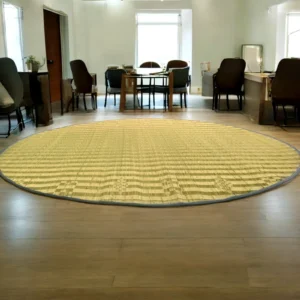 Handmade 4ft Round River Grass Rug – Eco-Friendly Madurkathi Floor Mat for Living Room & Home Decor
 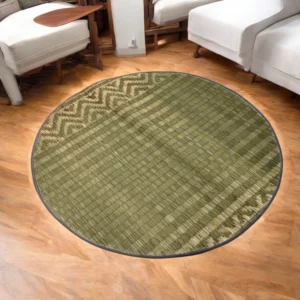 3ft Handmade Round River Grass Rug – Eco-Friendly Natural Boho Rug for Living Room & Home Decor