Rolling Back Health AI Transparency Rule & The Enduring Beauty of Indian Handicrafts
In recent times, discussions around artificial intelligence (AI) have extended beyond technological advancements to impact crucial sectors like healthcare. The recent move to roll back certain transparency rules concerning health AI has sparked considerable debate, touching upon ethical considerations and potentially altering how we interact with technology. While seemingly disparate, this shift prompts reflection on the value we place on authenticity, craftsmanship, and transparency in all aspects of our lives – a sentiment deeply ingrained in the rich heritage of Indian handicrafts.

This blog post explores the implications of this regulatory change, drawing parallels to the importance of transparency and ethical sourcing in the world of home decor, particularly within the vibrant landscape of Indian handicrafts. We’ll delve into how the emphasis on authenticity in handcrafted items mirrors the need for clear information in technology, and how the growing appreciation for traditional artistry reflects a broader cultural value for genuine expression and skilled labor.
At Bhumikart, we believe in the power of tangible artistry and the stories woven into each handcrafted piece. We are committed to bringing you authentic Indian handicrafts, furniture, traditional idols, and exquisite home decorations, connecting skilled artisans with discerning homeowners across India. Join us as we explore the intersection of these seemingly distinct worlds – the world of AI and the world of artisanal craftsmanship.
The Shifting Sands of Health AI Transparency
The recent decision to roll back transparency rules for health AI has raised concerns among advocacy groups and ethical AI practitioners. These rules, initially intended to ensure accountability and understanding of how AI algorithms make decisions in healthcare, aimed to provide patients and healthcare professionals with crucial insights into the rationale behind AI-driven diagnoses and treatment recommendations.
The rationale behind the rollback often centers on fostering innovation and potentially accelerating the development and deployment of AI technologies in healthcare. However, critics argue that diminished transparency can lead to a lack of trust, potential biases in AI systems, and challenges in addressing errors or unintended consequences. This situation highlights a critical tension between technological advancement and ethical considerations – a tension that resonates deeply with the world of handcrafted goods, where the value lies not only in the final product but also in the knowledge of its creation and the artisan behind it.
Transparency & Authenticity: A Parallel in Craftsmanship
In the realm of Indian handicrafts, transparency and authenticity are paramount. Consumers increasingly seek out products that tell a story – products that reflect traditional techniques, cultural heritage, and the skill of the artisan. This demand for authenticity drives a preference for handcrafted items over mass-produced goods. Just as transparency in health AI builds trust, transparency in the origins and methods of crafting traditional pieces builds trust in the consumer.
Bhumikart understands this need for transparency. We meticulously curate our collection to ensure that every piece is genuinely handcrafted, sourced ethically, and the artisans are fairly compensated. We believe in being upfront about the materials used, the techniques employed, and the cultural significance of each item. This commitment to transparency fosters a deeper connection between the consumer and the product, celebrating the human touch and the artistry that goes into creating each unique piece.
Understanding the Value of Handcrafted Traditions
Indian handicrafts are not merely decorative items; they are embodiments of cultural heritage, passed down through generations. Each region boasts unique artistic traditions, characterized by distinct techniques, motifs, and materials. Consider the intricate wood carving of Rajasthan, the vibrant block printing of Gujarat, the delicate silverwork of Kashmir, or the rich embroidery of Uttar Pradesh. These traditions are not static; they are constantly evolving, yet deeply rooted in the past.
The value of these crafts lies not just in their aesthetic appeal but also in the stories they tell – stories of skilled artisans, of community traditions, and of the cultural identity of different regions. This narrative of craftsmanship, woven into the fabric of each piece, is what makes handcrafted items truly special and sets them apart from mass-produced alternatives. Just as understanding the logic behind an AI decision builds trust, understanding the history and craftsmanship of a handicraft deepens appreciation.
Styling Indian Handicrafts in Your Home: A Touch of Tradition
Incorporating Indian handicrafts into your home decor can add warmth, character, and a touch of cultural richness. Here are some styling tips to get you started:
Living Room
- Accents: Use decorative cushions embroidered with traditional motifs or a handcrafted wooden bowl as a centerpiece.
- Wall Decor: Hang a framed tapestry or a set of hand-painted wall hangings.
- Furniture: Incorporate a carved wooden coffee table or a traditional Indian pouf.
Dining Room
- Tableware: Use hand-painted ceramic plates or intricately designed metal serving dishes.
- Centerpiece: Create a centerpiece using a brass oil lamp or a collection of small figurines.
- Lighting: Hang a hand-carved wooden chandelier or use traditional Indian lamps.
Bedroom
- Bedding: Use hand-block printed bedsheets or embroidered pillow covers.
- Decor: Place a handcrafted mirror or a small sculpture on a bedside table.
- Textiles: Drape a handloom shawl over a chair for added warmth and texture.
Decor Tip
Mix and match different styles and textures to create an eclectic and inviting space. Don’t be afraid to combine traditional pieces with modern elements for a unique look.
Maintenance & Buying Insights: Preserving Craftsmanship
To ensure the longevity of your handcrafted treasures, proper care is essential. Here are some maintenance tips:
- Avoid direct sunlight and extreme temperatures.
- Clean gently with a soft cloth and mild soap.
- Store delicate items in protective packaging.
- Avoid using harsh chemicals or abrasive cleaners.
When purchasing Indian handicrafts, prioritize buying directly from artisans or reputable platforms like Bhumikart. This ensures fair compensation for the artisans and supports the preservation of traditional skills. Look for items made from natural and sustainable materials and inquire about the craftsmanship process to understand the story behind the piece.
Key Takeaways
- The shift in health AI transparency rules highlights the importance of ethical considerations in technological advancements.
- Transparency and authenticity are fundamental values in Indian handicrafts, reflecting a deep appreciation for skilled craftsmanship and cultural heritage.
- Supporting artisans and choosing ethically sourced products helps preserve traditional skills and empower communities.
- Incorporating Indian handicrafts into your home decor adds warmth, character, and a touch of cultural richness.
At Bhumikart, we champion these values. We are committed to connecting you with authentic, ethically sourced Indian handicrafts that enrich your home and support the livelihoods of skilled artisans. Discover more styling tips at Bhumikart and explore our curated collection of exquisite pieces.
Knowledge Base
Here’s a quick glossary of some important terms related to Indian handicrafts:
| Term | Definition |
|---|---|
| Block Printing | A traditional technique where carved wooden blocks are used to stamp patterns onto fabric. |
| Handloom | A manually powered loom used for weaving cloth. |
| Brass | A metal alloy of copper and zinc, often used for decorative items and utensils. |
| Embroidery | The decorative art of stitching designs onto fabric using needles and thread. |
| Pattachitra | A traditional storytelling art form using vibrant cloth paintings. |
| Zari | Fine threads of gold or silver used for embellishing textiles. |
| Wood Carving | The art of shaping wood using tools to create decorative or functional objects. |
| Kantha | A traditional embroidery style from West Bengal, India, known for its simple running stitches. |
Frequently Asked Questions (FAQs)
- What does the recent change in health AI transparency rules mean? The change aims to accelerate AI development in healthcare, but critics worry about reduced transparency and potential risks.
- How does the concept of transparency relate to Indian handicrafts? Authenticity and transparency are core values in handicrafts, with consumers valuing knowing the origin and crafting process.
- Where can I find authentic Indian handicrafts? Reputable marketplaces like Bhumikart focus on sourcing directly from artisans and ensuring ethical practices.
- What are some popular Indian handicrafts for home decor? Examples include carved wooden items, block-printed textiles, brassware, and embroidered cushions.
- How do I care for Indian handicrafts? Avoid direct sunlight and harsh chemicals; clean gently with a soft cloth.
- What is the significance of handloom textiles? Handloom weaving is a traditional skill that preserves cultural heritage and supports rural economies.
- How can I support Indian artisans? Buy directly from artisans or reputable platforms like Bhumikart that prioritize fair trade practices.
- What is the difference between block printing and screen printing? Block printing involves carving wooden blocks, while screen printing uses stencils.
- Where can I learn more about different Indian art forms? Numerous online resources and museums offer detailed information on the history and techniques of Indian handicrafts.
- Is it more expensive to buy handcrafted items? Often, handcrafted items are more expensive due to the time and skill involved, but the value lies in their unique artistry and cultural significance.
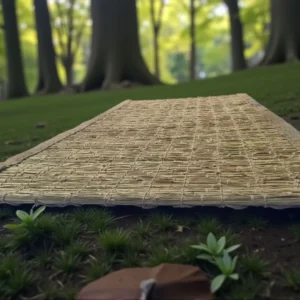 Handwoven Kusha Grass Mat – Natural Reed Mat for Puja, Yoga & Meditation (3x7 ft)
 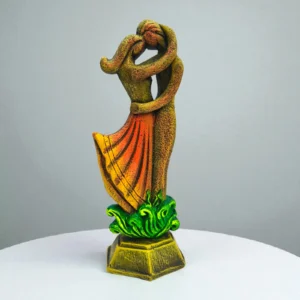 Handcrafted Romantic Clay Statue – Artistic Home and Gift Decor
 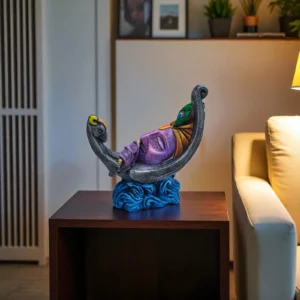 Handcrafted Clay Krishna on Moon – Colorful Flute Idol