The Art of Burnt Clay: Why Terracotta is Making a Comeback in 2026
India, a land steeped in history and artistry, is witnessing a fascinating resurgence of the ancient craft of terracotta in 2026. More than just rustic pottery, terracotta is evolving into a sophisticated design element, seamlessly blending traditional charm with contemporary aesthetics. This isn’t just a fleeting trend; it’s a reflection of a growing appreciation for handcrafted quality, sustainable living, and a deeper connection to our cultural roots. In this comprehensive guide, we’ll explore the beauty of terracotta, its diverse applications in home decor, styling tips tailored for Indian homes, and how to source authentic pieces. Get ready to discover why terracotta is poised to become a cornerstone of modern Indian interiors.

A Timeless Craft Reimagined: Terracotta’s Enduring Appeal
Terracotta, derived from the Italian word meaning “baked earth,” has been utilized for millennia across civilizations. From the terracotta army of China to the ancient pottery of the Indus Valley Civilization, its versatility and earthy beauty have remained constant. But the terracotta of today is undergoing a remarkable transformation. Artisans are experimenting with new techniques, glazing methods, and designs to create pieces that are both visually stunning and functionally relevant for the modern Indian home.
The Allure of Natural Materials
In a world dominated by synthetic materials, there’s a palpable yearning for authenticity. Terracotta, being a natural, unglazed or minimally glazed material, embodies this desire. Its inherent warmth, texture, and earthy tones create a calming and inviting atmosphere. It feels grounded, connecting us to the earth and to a simpler, more sustainable way of living. This resonates deeply with the growing eco-conscious consumer base in India.
A Celebration of Craftsmanship
The beauty of terracotta lies not just in its aesthetic appeal but also in the skill and dedication of the artisans who craft it. Each piece is, in essence, a unique work of art, bearing the subtle imperfections that are a testament to human touch. Supporting terracotta artisans means supporting traditional livelihoods and preserving invaluable cultural heritage. At Bhumikart, we believe in showcasing the talent of these skilled craftspeople, providing them with a platform to share their artistry with the world.
Terracotta in Home Decor: Versatility and Style
Terracotta isn’t confined to traditional pottery. It’s remarkably versatile and can be incorporated into various aspects of home decor, adding character and warmth to any space.
Furniture: A Rustic Charm
Terracotta tiles are increasingly used for flooring, especially in semi-outdoor areas like patios, balconies, and courtyards. Adding a terracotta tiled floor creates a warm, inviting ambience which aligns beautifully with the Indian lifestyle where outdoor spaces are integral to daily living. Consider using terracotta as an accent wall covering for a rustic, bohemian vibe. Furniture pieces incorporating terracotta elements – like bases of tables, shelving units, or even chair legs – add a touch of earthy sophistication.
Decor Tip: Pair terracotta furniture with natural fabrics like linen and jute, and lush greenery to create a calming and inviting space.
Decorative Objects: Adding Personality
Terracotta figurines, vases, planters, and sculptures are popular choices for adding personality to any room. These objects can range from simple, unadorned pieces to intricately painted and glazed creations. They are perfect for displaying flowers, plants, or simply as standalone decorative elements. Terracotta pots are particularly well-suited for Indian plants like jasmine, marigold, and bougainvillea, creating a harmonious blend of nature and art.
Kitchen & Dining: A Touch of Tradition
Terracotta cookware, especially traditional Indian dishes like biryani and curries, is known for its even heat distribution and ability to impart a unique flavor to food. Terracotta serving dishes and trivets add a rustic touch to dining tables. Terracotta tiles are a classic choice for kitchen backsplashes, lending a warm and inviting feel to the cooking space.
Styling Terracotta in Indian Homes: A Fusion of Tradition and Modernity
Integrating terracotta into your Indian home decor doesn’t have to be daunting. Here are some styling tips to help you create a cohesive and aesthetically pleasing look:
Embracing Earthy Tones
Terracotta’s natural reddish-brown hues complement other earthy tones like beige, cream, olive green, and rust. Incorporate these colors in your wall paint, upholstery, and accessories to create a harmonious palette.
Playing with Textures
Terracotta’s rough, textured surface pairs beautifully with other natural textures like wood, stone, jute, and cotton. Mix and match these textures to add visual interest and depth to your space.
Modernizing Traditional Pieces
Don’t feel limited to traditional terracotta designs. Look for pieces with clean lines, minimalist shapes, and contemporary glazing techniques to create a sophisticated and modern look. Consider pairing antique terracotta pieces with modern furniture for an eclectic aesthetic.
Creating Focal Points
Use terracotta pieces as focal points in your room. A large terracotta sculpture, a display of terracotta vases, or a terracotta-tiled accent wall can instantly draw the eye and add character to your space.
Sourcing Authentic Terracotta: Quality and Sustainability
When purchasing terracotta, it’s essential to ensure that you are buying authentic, high-quality pieces. Here’s what to look for:
- Handmade Quality: Look for pieces with slight imperfections that indicate they were handcrafted, rather than mass-produced.
- Natural Materials: Ensure the terracotta is made from natural clay and free from harmful chemicals.
- Glazing: Traditionally, terracotta is unglazed or minimally glazed. If glazed, ensure the glaze is lead-free and food-safe.
- Artisan Support: Consider purchasing directly from artisans or through reputable marketplaces like Bhumikart to support traditional crafts.
Bhumikart offers a curated collection of authentic terracotta pieces, sourced directly from skilled artisans across India. We ensure that all our products meet the highest standards of quality and craftsmanship.
Maintenance and Care
Terracotta is a durable material, but proper care will help it maintain its beauty for years to come:
- Cleaning: Clean terracotta pieces with a soft cloth and mild soap. Avoid harsh chemicals or abrasive cleaners.
- Glazed Terracotta: Glazed terracotta is generally more durable and easier to clean than unglazed terracotta.
- Unglazed Terracotta: Unglazed terracotta is porous and can absorb liquids. Seal unglazed pieces with a sealant to protect them from staining.
- Temperature Sensitivity: Avoid sudden temperature changes, as this can cause the terracotta to crack.
Terracotta vs. Ceramic: A Quick Comparison
| Feature | Terracotta | Ceramic |
|---|---|---|
| Material | Earthen clay | Clay, shale, or porcelain |
| Firing Temperature | Lower | Higher |
| Porosity | More porous | Less porous |
| Durability | Less durable | More durable |
| Appearance | Earthy, rustic | Variety of finishes – glossy, matte |
Knowledge Base
Here are some key terms to understand when exploring the world of terracotta:
- Firing Temperature: The temperature at which clay is fired in a kiln. Higher temperatures result in stronger, more durable ceramics.
- Glazing: Applying a glassy coating to ceramic pieces for decoration and protection.
- Porosity: The ability of a material to absorb liquids. Terracotta is naturally porous.
- Kiln: An oven used for firing clay.
- Slip: A liquid clay suspension used for decorating pottery.
- Earthenware: Pottery fired at a relatively low temperature, resulting in a porous material. Terracotta falls under this category.
- Stoneware: Pottery fired at a higher temperature, resulting in a non-porous and durable material.
- Bisque Firing: The first firing of clay, which hardens it but leaves it porous.
Key Takeaways
- Terracotta is experiencing a resurgence in popularity due to its natural beauty and sustainable appeal.
- It’s a versatile material that can be used in various aspects of home decor, from furniture to decorative objects.
- Styling terracotta pieces requires a balance of traditional and modern elements.
- Authentic terracotta can be sourced from reputable marketplaces like Bhumikart, supporting skilled artisans.
- Proper care and maintenance will help terracotta pieces maintain their beauty for years to come.
FAQ
- What is terracotta made of? Terracotta is made from earthenware clay, which is fired at a relatively low temperature.
- Is terracotta durable? Terracotta is generally durable but can be porous and prone to chipping if not handled carefully.
- How do I clean terracotta? Clean terracotta with a soft cloth and mild soap. Avoid harsh chemicals.
- Can terracotta be glazed? Yes, terracotta can be glazed for decoration and protection.
- What colors complement terracotta? Earthy tones like beige, cream, olive green, and rust complement terracotta beautifully.
- Where can I buy terracotta products in India? You can find authentic terracotta products at craft markets, artisan workshops, and online marketplaces like Bhumikart.
- How do I prevent terracotta from cracking? Avoid sudden temperature changes and handle terracotta pieces with care.
- Is terracotta environmentally friendly? Yes, terracotta is an environmentally friendly material because it is made from natural clay and requires minimal processing.
- What is the best way to care for unglazed terracotta? Seal unglazed pieces with a sealant to protect them from staining and absorbency.
- Can I paint terracotta? Yes, terracotta can be painted with specialized paints designed for ceramics.
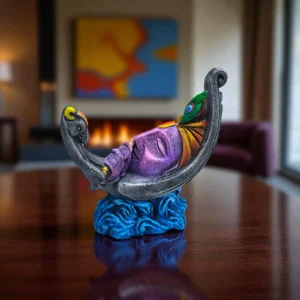 Handmade Burnt Clay Krishna Face Decorative Statue with Peacock Feather
 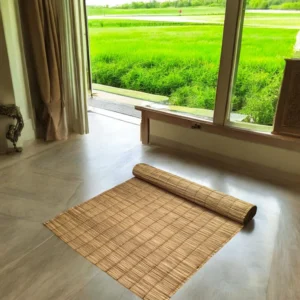 Handmade Natural River Grass Mat | Eco-Friendly Foldable Floor Mat for Home & Yoga – 3x7 ft