Top 10 Traditional Indian Handicrafts for Modern Living Rooms
Are you looking to infuse your living space with a touch of cultural richness and unique charm? In the pursuit of modern living, many seek to blend contemporary aesthetics with elements that tell a story. Traditional Indian handicrafts offer a perfect solution. These aren’t just decorative pieces; they are embodiments of history, artistry, and skilled craftsmanship. At Amezly, we explore how traditional crafts can seamlessly integrate into modern homes, adding warmth, character, and a sense of global connection. But where to begin? This guide will explore the top 10 traditional Indian handicrafts perfect for modern living rooms, offering insights into their history, material, and how to style them for a contemporary look.

From intricate textiles to stunning wood carvings, Indian handicrafts offer a diverse range of options to personalize your space. We’ll delve into the unique qualities of each craft, providing practical tips on choosing the right pieces and showcasing them effectively. Whether you’re a seasoned interior design enthusiast or just starting to refresh your living room, this article is packed with inspiration and actionable advice.
Why Choose Traditional Indian Handicrafts for Your Modern Home?
In today’s fast-paced world, there’s a growing desire for authenticity and connection. Traditional Indian handicrafts provide this connection, offering a tangible link to a rich cultural heritage. They stand in contrast to mass-produced items, embodying individuality and uniqueness. Moreover, they are incredibly versatile, adapting seamlessly to various design styles.
Cultural Significance and Storytelling
Each handicraft carries a story – a narrative of tradition, skill, and cultural identity. These pieces are not just aesthetically pleasing; they represent generations of craftsmanship passed down through families. They offer a conversation starter and a way to share the beauty of Indian culture with guests.
Sustainable and Ethical Choices
Many Indian handicrafts are crafted using natural, sustainable materials and support local artisans and communities. Choosing these items is an ethical decision that contributes to fair trade practices and preserves traditional skills.
Versatility in Design
Despite their traditional origins, Indian handicrafts can easily blend with modern décor. Neutral colors, minimalist designs, and well-placed accents can create a harmonious and sophisticated look. The key is to choose pieces that complement your existing style.
Top 10 Traditional Indian Handicrafts for Modern Living Rooms
Here’s a detailed look at 10 of the most popular and versatile Indian handicrafts for modern living rooms:
1. Hand-Block Printed Textiles
Hand-block printing is an ancient technique where carved wooden blocks are used to apply dyes to fabric. This tradition is particularly renowned from Rajasthan. These textiles add vibrant color and intricate patterns to any space.
Key Features:
- Materials: Cotton, linen, silk
- Patterns: Floral, geometric, animal motifs
- Colors: Rich, earthy tones or vibrant hues
Real-World Use Case: A hand-block printed throw blanket draped over a sofa or a set of cushion covers instantly adds a touch of bohemian elegance. Amezly helps readers understand the importance of sustainable fabrics.
2. Terracotta Handicrafts
Terracotta, meaning “baked earth,” is a clay-based material that has been used for centuries in India to create pots, figurines, and decorative items. Terracotta pieces bring a rustic, earthy feel to a room.
Key Features:
- Materials: Clay, terracotta
- Forms: Vases, pots, figurines, wall hangings
- Colors: Earthy browns, terracotta hues, often with painted details
Real-World Use Case: A collection of terracotta pots can be arranged on a coffee table or a windowsill. A large terracotta vase makes a striking centerpiece.
3. Hand-Carved Wood Items
India has a rich tradition of wood carving, with different regions specializing in distinct styles. These carvings can be found on furniture, panels, and decorative objects.
Key Features:
- Materials: Sheesham wood, teak wood, rosewood
- Styles: intricate floral, geometric, and mythological motifs
- Finishes: Natural polish, painted, lacquered
Real-World Use Case: A hand-carved wooden console table or a set of wall panels add a touch of sophistication and artistry.
4. Metal Handicrafts (Brass & Copper)
Brass and copper are commonly used metals in Indian handicrafts, known for their durability and beautiful sheen. These items include lamps, bowls, trays, and figurines.
Key Features:
- Materials: Brass, copper, bronze
- Forms: Lamps, bowls, trays, figurines, wall hangings
- Finishes: Polished, antique, etched
Real-World Use Case: A brass or copper lamp on a side table creates a warm, inviting ambiance. A set of copper bowls can be used as decorative accents.
5. Pottery & Ceramic Art
Indian pottery is renowned for its diverse styles and vibrant colors. From traditional earthenware to contemporary ceramic art, pottery adds an artistic touch to any room.
Key Features:
- Materials: Clay, earthenware, porcelain
- Styles: Traditional, contemporary, glazed, unglazed
- Colors: Vibrant, earthy, monochrome
Real-World Use Case: A collection of ceramic vases or bowls can display flowers or serve as decorative objects. Large ceramic sculptures can be statement pieces.
6. Wicker & Bamboo Products
Wicker and bamboo are sustainable materials that create light, airy, and textural elements. These are great for adding a natural, bohemian touch.
Key Features:
- Materials: Wicker, bamboo, rattan
- Forms: Baskets, chairs, lamps, screens
- Colors: Natural tones, painted finishes
Real-World Use Case: Wicker baskets are perfect for storage. A bamboo lamp adds a warm glow to a corner.
7. Mirror Work
Mirror work, or Shisha embroidery, is a decorative technique where small mirrors are sewn onto fabric. It’s predominantly found in textiles, but also used on other decorative items.
Key Features:
- Materials: Fabric, mirrors, thread
- Forms: Cushion covers, wall hangings, apparel accents
- Colors: Vibrant, often with intricate patterns
Real-World Use Case: Mirror work cushion covers add sparkle and texture to seating areas. A wall hanging can become a focal point in a room.
8. Bell Metal Crafts
Bell metal, an alloy of copper and tin, is traditionally used to create utensils, lamps, and decorative items. These pieces have a unique, antique appearance.
Key Features:
- Materials: Bell metal
- Forms: Lamps, bowls, trays, figurines
- Finishes: Polished, antique, etched
Real-World Use Case: A bell metal lamp adds a touch of vintage charm. A tray can be used to serve drinks or display decorative objects.
9. Paintings (Madhubani & Warli)
Madhubani and Warli are tribal art forms with distinct styles. Madhubani paintings are known for their intricate floral patterns, while Warli art features simple geometric figures.
Key Features:
- Materials: Natural pigments, paper, cloth
- Forms: Paintings on cloth, paper, walls
- Colors: Vibrant, earthy tones
Real-World Use Case: Framed Madhubani or Warli paintings add a vibrant cultural element to a wall.
10. Kalighat Paintings
Kalighat paintings are a style of Indian painting that originated in the Kalighat area of Kolkata. They are known for their bold lines, vibrant colors, and depictions of everyday life, deities, and mythical creatures.
Key Features:
- Materials: Natural pigments, paper, cloth
- Forms: Paintings on paper, cloth, walls
- Colors: Bold, expressive colors
Real-World Use Case: Framed Kalighat paintings add a unique artistic flair to a living room.
Styling Indian Handicrafts in a Modern Living Room
Integrating traditional Indian handicrafts into a modern living room requires a thoughtful approach. Here are some styling tips:
- Color Palette: Choose a color palette that complements the handicrafts. Neutrals like beige, gray, and white provide a clean backdrop, while pops of color can highlight the vibrant hues of the crafts.
- Balance: Don’t overcrowd the space. Select a few key pieces and arrange them strategically.
- Contrast: Pair traditional pieces with modern furniture for a balanced look.
- Texture: Incorporate different textures through textiles, wood, and metal to create visual interest.
- Storytelling: Display handicrafts in a way that tells a story – perhaps grouping pieces by region or theme.
Pro Tip: Mix and match different styles of handicrafts to create a unique and eclectic look. Don’t be afraid to experiment! At Amezly, we believe that smart design brings joy and functionality to every space.
Conclusion
Traditional Indian handicrafts offer a wonderful way to personalize your modern living room, adding cultural richness, artistic flair, and a touch of history. From vibrant textiles to intricate wood carvings, there’s a craft to suit every taste and style. By thoughtfully incorporating these pieces into your décor, you can create a space that is both contemporary and deeply meaningful.
Remember to consider the materials, colors, and patterns of the handicrafts when styling them. Don’t be afraid to mix and match different styles, and most importantly, choose pieces that you love. At Amezly, we understand the importance of integrating technology and culture harmoniously.
Frequently Asked Questions (FAQ)
-
What are the most sustainable Indian handicrafts?
Terracotta, wicker, bamboo, and hand-block printed textiles are generally more sustainable choices as they often utilize natural materials and traditional production methods.
-
Where can I buy authentic Indian handicrafts?
You can find authentic Indian handicrafts at reputable online marketplaces like Etsy, Amazon Handmade, and directly from artisan cooperatives. Also, look for local craft fairs and markets.
-
How do I clean hand-block printed textiles?
Hand-block printed textiles are best hand-washed in cold water with a mild detergent. Avoid harsh chemicals and direct sunlight.
-
What is the significance of mirror work in Indian handicrafts?
Mirror work is believed to ward off evil spirits and symbolize prosperity.
-
How do I style terracotta pots in a modern living room?
Group terracotta pots together in different sizes and shapes, or use them as decorative accents on shelves and coffee tables.
-
What is the difference between Madhubani and Warli art?
Madhubani art features intricate floral patterns, while Warli art uses simple geometric figures.
-
Are Indian handicrafts expensive?
The price of Indian handicrafts varies greatly depending on the materials, craftsmanship, and region. You can find affordable options as well as high-end pieces.
-
Can I use hand-carved wood items outdoors?
It is generally not recommended to use hand-carved wood items outdoors as they can be damaged by moisture.
-
How do I care for brass and copper handicrafts?
Brass and copper handicrafts should be polished regularly to maintain their shine. Avoid using abrasive cleaners.
-
What is the best way to display paintings?
Framing your paintings will protect them and enhance their visual appeal. Consider creating a gallery wall to showcase a collection of paintings.
Key Takeaways:
- Indian handicrafts add cultural richness to modern living rooms.
- Choose pieces that complement your existing décor.
- Focus on sustainable and ethical sourcing.
- Don’t be afraid to mix and match styles.
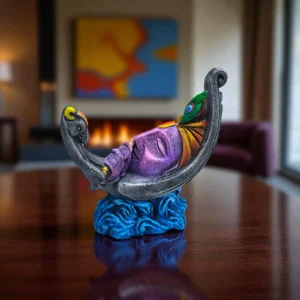 Handmade Burnt Clay Krishna Face Decorative Statue with Peacock Feather
 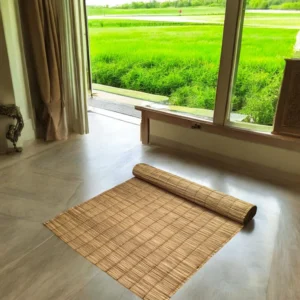 Handmade Natural River Grass Mat | Eco-Friendly Foldable Floor Mat for Home & Yoga – 3x7 ft