₹ Empowering Your Dreams: The Rise of Minimalist Living & Indian Craftsmanship – A New Era for Home Decor
Namaste! In the vibrant heart of India, a fascinating shift is taking place in the world of home decor. A recent report highlighting the potential for tech giants to operate with remarkably lean teams – as low as under 100 employees – offers a compelling parallel to a growing trend in artisanal craftsmanship: a move towards quality over quantity, authenticity over mass production, and a deep appreciation for the unique. This minimalist ethos is deeply resonating with Indian consumers seeking homes that reflect their individuality, cultural heritage, and a mindful approach to consumption.

At Bhumikart, we believe in the power of handcrafted beauty. We curate a stunning collection of authentic Indian handicrafts, handmade furniture, traditional idols, and exquisite home decorations, connecting talented artisans with discerning homeowners across India. This blog post delves into this evolving landscape, exploring how the pursuit of efficiency in technology is mirroring a renewed appreciation for the skill and artistry behind handcrafted goods. We’ll explore trending minimalist interior design styles incorporating Indian elements, offer practical styling advice, discuss maintenance, and provide insights into sourcing authentic pieces.
The Digital Lean Startup & the Artisan’s Renaissance
The news of a $12 billion AI startup potentially operating with such a small team isn’t just a Silicon Valley story. It signals a broader cultural shift towards efficiency, intentionality, and a focus on core competencies. Think about it: a highly skilled, focused team can achieve remarkable results with far fewer resources than a bloated organization. This resonates with a growing segment of the Indian population, particularly millennials and Gen Z, who are increasingly prioritizing quality, sustainability, and meaningful purchases over sheer volume. This parallel is also impacting our perception of home decor.
For generations, Indian homes have often been adorned with an abundance of decorative items. However, a new wave of homeowners are embracing minimalism – not necessarily a stark, empty aesthetic, but rather a curated collection of pieces that are carefully chosen for their beauty, functionality, and personal significance. They’re drawn to the stories embedded in handcrafted objects, the imperfections that speak of human touch, and the connection to a rich cultural heritage.
This shift is creating a vibrant market for artisans and designers who understand the desire for understated elegance and timeless appeal. Indian contemporary design is experiencing a resurgence, blending traditional motifs and techniques with minimalist principles. Think clean lines, neutral palettes punctuated by pops of vibrant colour inspired by traditional textiles, and a focus on natural materials like wood, clay, and handwoven fabrics.
Minimalist Decor with an Indian Soul: Key Trends
Neutral Palettes with Vibrant Accents
A popular trend is the use of neutral colour palettes – think warm whites, earthy beiges, and soft greys – to create a calming and spacious atmosphere. This provides a versatile backdrop for showcasing vibrant Indian accents, such as hand-painted cushions, colourful textiles, or antique brass lamps. The emphasis is on creating a serene environment that doesn’t feel cluttered, yet retains a strong sense of personality.
Natural Materials Reign Supreme
Sustainability and a connection to nature are key drivers. Materials like reclaimed wood, natural stone, jute, bamboo, and organic cotton are increasingly popular. These materials not only enhance the aesthetic appeal but also contribute to a healthier and more eco-conscious living environment. Consider incorporating stone lamps, jute rugs, or bamboo furniture to infuse natural textures and warmth into your space.
Focus on Texture and Craftsmanship
With fewer decorative items, texture becomes even more important. Handwoven textiles with intricate patterns, carved wooden details, textured clay pots, and rustic metalwork add depth and visual interest. These tactile elements are what truly bring a space to life and showcase the skill of the artisans who created them. At Bhumikart, we believe in celebrating these details, offering a diverse range of pieces that highlight exceptional craftsmanship.
Artisan-Made Furniture: A Statement Piece
Investing in a few well-crafted, artisan-made furniture pieces is a hallmark of minimalist decor. Instead of filling a room with numerous small items, focus on a statement sofa, a beautifully carved wooden dining table, or a hand-woven rug that anchors the space. These pieces should be chosen for their quality, durability, and unique character. Consider pieces that tell a story, reflecting the traditions and skills of the artisan.
| Material | Characteristics | Suitable for |
|---|---|---|
| Reclaimed Wood | Rustic look, sustainable, unique grain patterns | Coffee tables, shelving, accent walls |
| Natural Stone | Durability, texture, natural beauty | Side tables, countertops, decorative accents |
| Jute & Bamboo | Sustainable, lightweight, textural | Rugs, baskets, furniture accents |
| Organic Cotton | Soft, breathable, versatile | Cushions, throws, curtains |
Styling Tips for a Minimalist Indian Home
Embrace Negative Space
Don’t be afraid of empty space! Minimalism is about intentionality, not emptiness. Let the carefully chosen pieces breathe and avoid overcrowding. A few well-placed objects are far more impactful than a cluttered collection.
Curate a Gallery Wall
Instead of numerous small pictures, create a gallery wall with a few larger, impactful pieces – perhaps a collection of traditional Indian paintings or photographs. Use a consistent frame style for a cohesive look.
Layer Textures Intelligently
Layer different textures to add depth and visual interest. Combine a smooth linen cushion with a textured wool blanket, or pair a polished wooden table with a woven placemat.
Use Plants to Add Life
Plants bring a sense of freshness and vitality to any space. Choose plants that thrive in Indian climates and complement your décor.
Focus on Lighting
Good lighting is essential for creating a warm and inviting atmosphere. Use a combination of ambient, task, and accent lighting to highlight architectural features and decorative elements.
The Art of Sourcing Authentic Handicrafts
In today’s market, it’s crucial to ensure that the handicrafts you purchase are truly authentic and support the artisans who create them. Look for pieces that are handmade, not mass-produced. Pay attention to the materials used and the techniques employed. Support businesses and platforms that prioritize ethical sourcing and fair trade practices. Bhumikart is committed to showcasing the work of skilled artisans, offering detailed information about the origin and creation process of each piece.
Consider these key indicators of authenticity:
- **Handmade Imperfections:** Authentic handicrafts often have slight variations and imperfections that reflect the human touch.
- **Traditional Techniques:** Look for pieces crafted using traditional techniques passed down through generations.
- **Natural Materials:** Genuine handicrafts typically utilize natural, locally sourced materials.
- **Regional Styles:** Different regions of India have distinct artistic styles. Research and appreciate the unique characteristics of each style.
Maintaining Your Handcrafted Treasures
Handcrafted items often require gentle care. Follow the care instructions provided by the artisan or seller. Generally, it’s advisable to avoid harsh chemicals and excessive moisture. Dust regularly with a soft cloth and avoid direct sunlight to prevent fading. At Bhumikart, we provide care tips alongside each item to ensure its longevity.
Making the $ Symbol on Your Keyboard: A Quick Guide
As tech teams streamline, efficient tools are essential. Knowing how to quickly insert the dollar sign ($) can be a small but valuable time-saver, especially for entrepreneurs or anyone involved in finance. The method varies slightly depending on your operating system and keyboard layout. Here’s a quick rundown:
- Windows: Hold down the `Alt` key and type `36` on the numeric keypad. Make sure Num Lock is on.
- Mac: Press `Option + 4`.
- Linux: Press `Alt + 4` or `Ctrl + Shift + u` followed by `0024` and then press `Enter`.
- Copy & Paste: You can copy the $ symbol from another document or website.
- Character Map: Windows has a Character Map application where you can find and copy special characters.
For advanced users wrestling with unusual keyboard layouts or needing specific formatting, consider using AutoHotkey on Windows to create custom shortcuts.
Conclusion: A New Era of Conscious Consumption
The parallels between the minimalist tech industry and the evolving landscape of Indian home decor are striking. Both are driven by a desire for intentionality, efficiency, and a deeper appreciation for quality and craftsmanship. As Indians embrace a more minimalist lifestyle, the demand for authentic, handcrafted goods is set to grow exponentially. Platforms like Bhumikart are proud to play a role in connecting talented artisans with discerning consumers, fostering a sustainable and culturally rich ecosystem. This is not merely about decorating homes; it’s about curating spaces that reflect our values, celebrate our heritage, and embody a mindful approach to living. By choosing handcrafted pieces, you’re not just acquiring a beautiful object; you’re investing in a story, supporting a community, and contributing to a more sustainable future. The future of home decor in India is one where beauty, functionality, and cultural significance converge in harmonious and inspiring ways.
Key Takeaways:
- Minimalism is gaining popularity in Indian home decor.
- Emphasis on natural materials, texture, and craftsmanship.
- Supporting artisans and ethical sourcing is crucial.
- The $ symbol’s digital efficiency parallelizes with the artisan’s focus on quality and streamlined production.
Decor Tip:
Introduce pops of color through cushions, throws, and artwork. Choose colors inspired by traditional Indian textiles – rich reds, vibrant blues, sunny yellows, and emerald greens.
Knowledge Base:
Dharma (धर्म): A Sanskrit term referring to one’s duty or purpose. In home decor, this can translate to choosing pieces that align with your values and lifestyle.
Rangoli: Decorative patterns created on the floor using coloured powders or flowers, often associated with festivals and celebrations. Incorporate Rangoli-inspired patterns into your home with textiles or artwork.
Divari: Oil lamp, a significant part of Hindu rituals. Using decorative oil lamps adds a warm, traditional touch to your decor.
Kantha: A type of embroidery originating in Bengal, known for its intricate running stitch patterns. Kantha quilts and throws are cherished for their beauty and craftsmanship.
Terracotta: Earthenware, often used for pots, tiles, and decorative objects. Terracotta adds a rustic and earthy feel to any space.
Understanding Indian Textiles
Indian textiles are renowned for their rich history and diverse designs. Common types include silk, cotton, wool, and a variety of weaves – each with its unique character and cultural significance. Understanding the properties and origins of these textiles enhances your appreciation for handcrafted décor.
FAQ:
- What are the most popular colors for minimalist Indian interiors?
- Neutral colors like white, beige, and grey are popular, accented with pops of vibrant colors like reds, blues, and yellows.
- How can I incorporate Indian elements into a minimalist space without making it look cluttered?
- Focus on a few carefully chosen statement pieces – like a handwoven rug or a carved wooden table – and avoid excessive ornamentation.
- Where can I find authentic Indian handicrafts?
- Bhumikart offers a curated collection of authentic handicrafts from across India.
- How do I care for a handwoven rug?
- Regular vacuuming and occasional professional cleaning are recommended. Avoid prolonged exposure to sunlight.
- What is the significance of using natural materials in home decor?
- Natural materials are eco-friendly, sustainable, and add warmth and texture to a space.
- How can I balance minimalism with the richness of Indian culture?
- Embrace a curated approach, incorporating traditional elements in a subtle and intentional way. Focus on quality over quantity.
- How does the $ symbol’s efficiency relate to artisan craftsmanship?
- Both represent a pursuit of efficiency – one in the digital realm, the other in mindful, skilled production. The $ symbol directly fuels global economic activities which can further support artisan communities through fair trade practices.
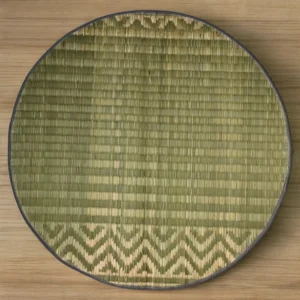 Handmade 2ft Round River Grass Mat
 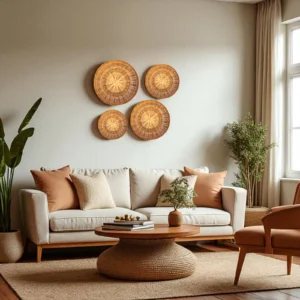 Decorative Bamboo Wall Baskets – Boho Art & Utility Set of 4
 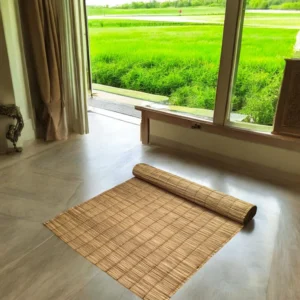 Handmade Natural River Grass Mat | Eco-Friendly Foldable Floor Mat for Home & Yoga – 3x7 ft
 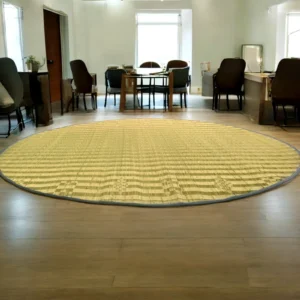 Handmade 4ft Round River Grass Rug – Eco-Friendly Madurkathi Floor Mat for Living Room & Home Decor
 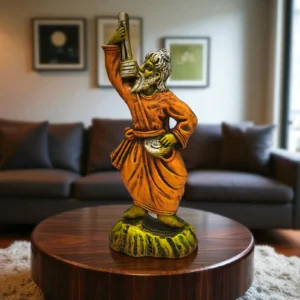 Handcrafted Baul Man Clay Statue with Ektara – 10 Inch Burnt Terracotta Folk Art Figurine for Home Décor
 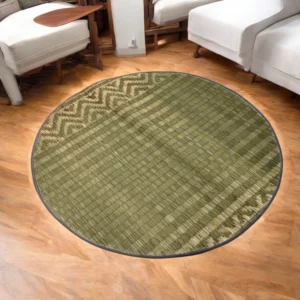 3ft Handmade Round River Grass Rug – Eco-Friendly Natural Boho Rug for Living Room & Home Decor